
Where Art Meets Altitude
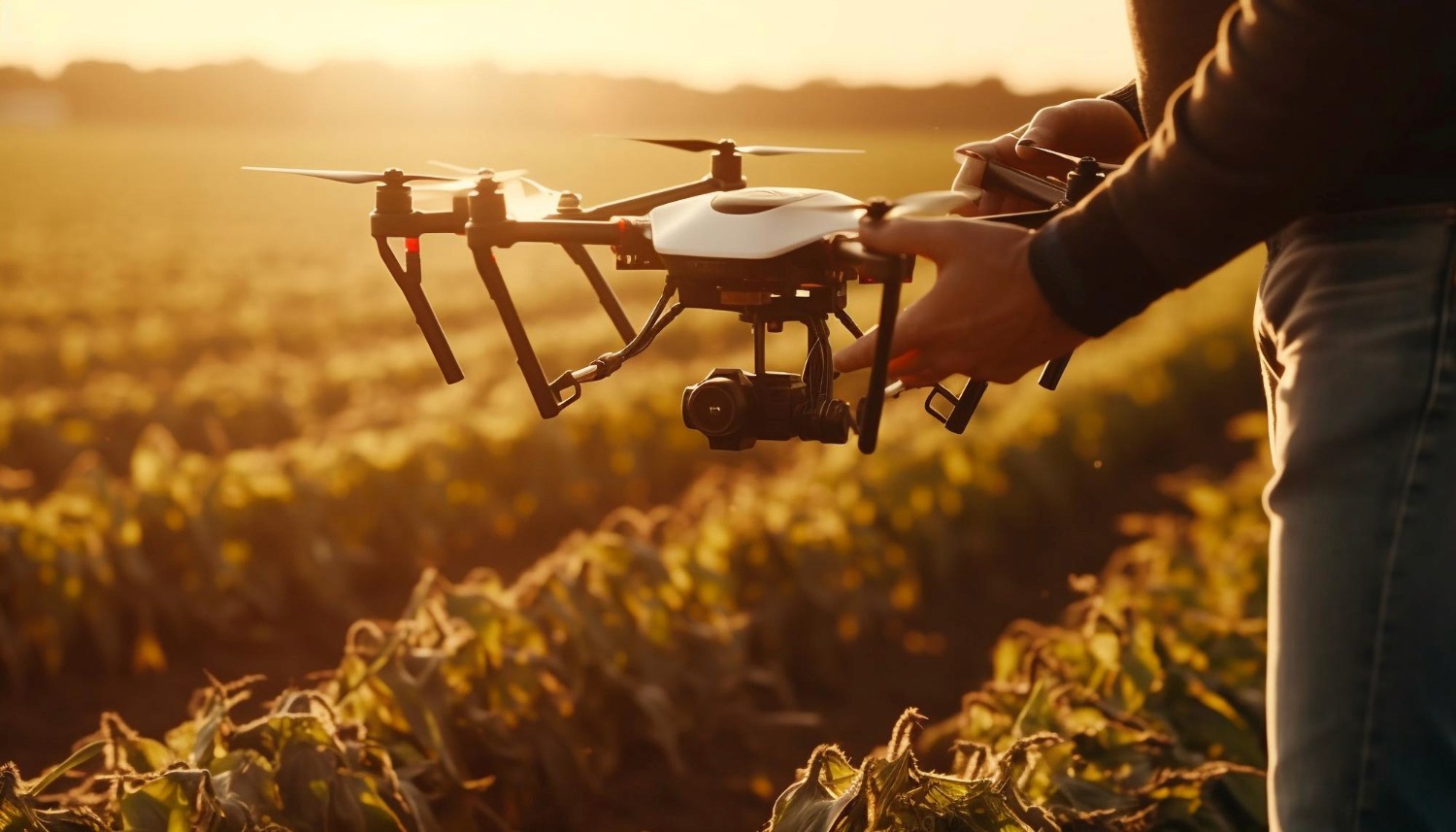
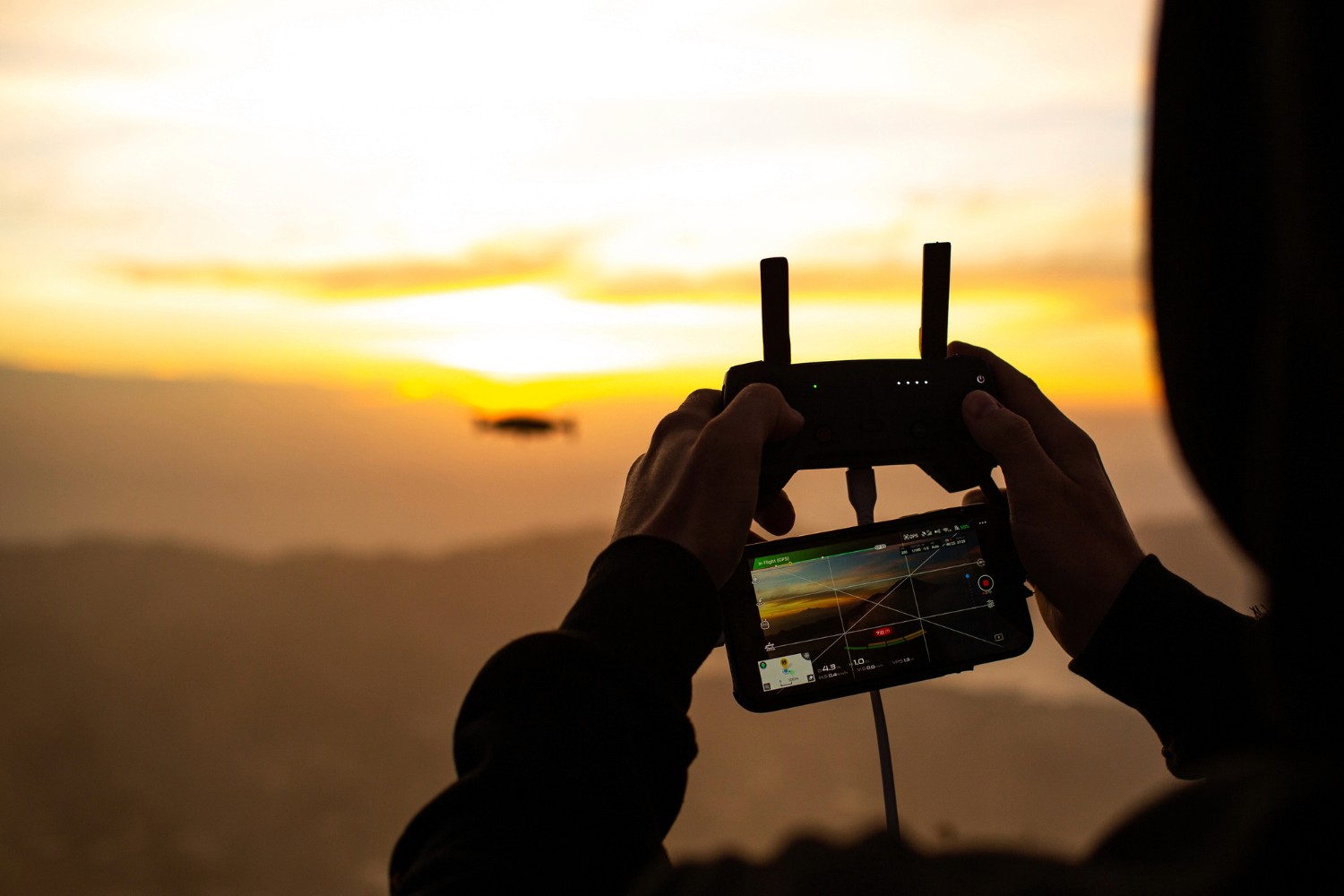
Aerial filming has redefined visual storytelling by introducing perspectives once reserved for big-budget productions. Today, drones allow filmmakers, brands, and creators to explore cinematic angles with ease — moving through landscapes, tracing dynamic paths, and capturing scenes with breathtaking clarity. This evolution transforms not only how stories look, but how they feel.
From sweeping mountain passes to intimate, low-altitude glides, aerial filming creates emotional depth that simply cannot be replicated on the ground. Each flight becomes a blend of engineering and artistic expression, revealing spaces in ways that engage viewers on a deeper level.
Why Aerial Filming Matters More Than Ever
Drones bring motion, scale, and atmosphere into every frame. They can shift from vast landscapes to close-up reveals in a single fluid movement, adding layers of context and emotion. Their mobility unlocks creative freedom: directors can design sequences that move above, below, around, or through spaces with total precision.
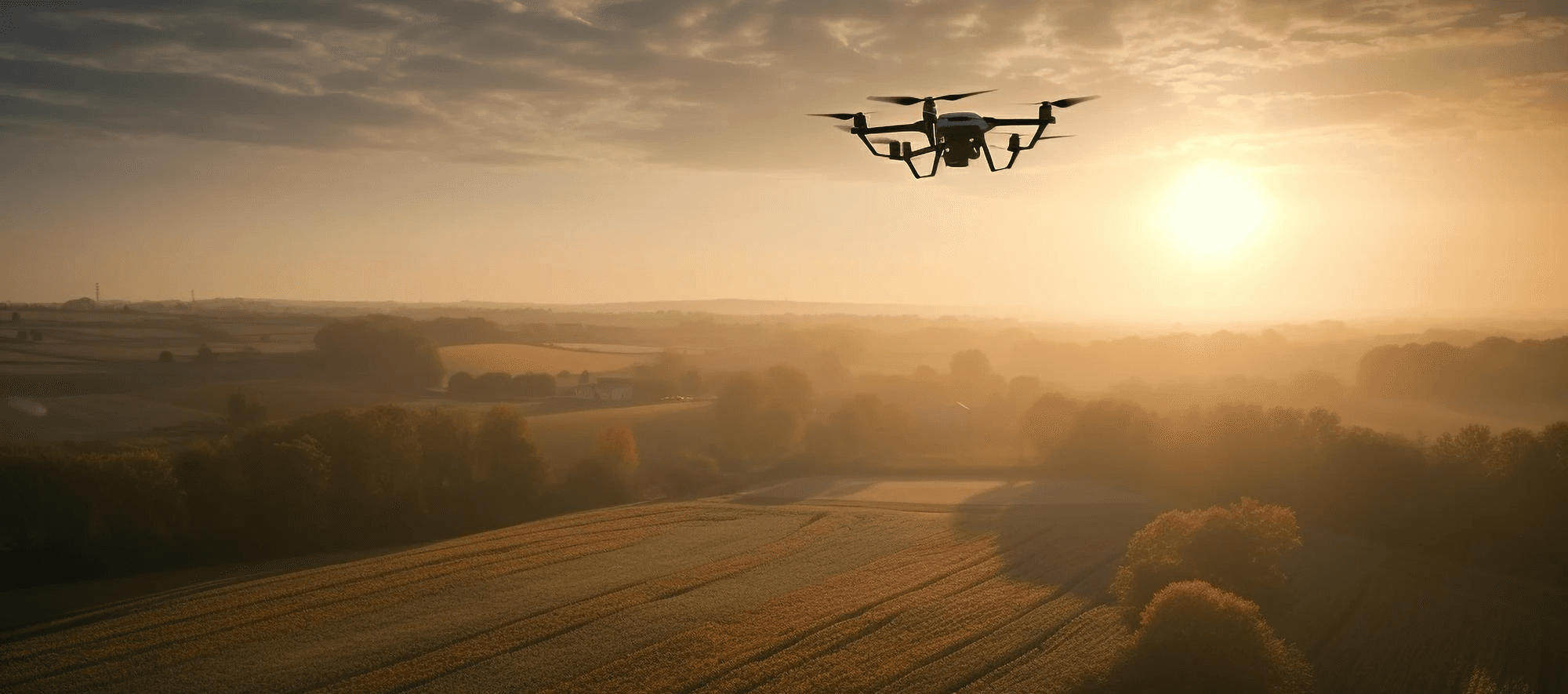
This fluidity reshapes storytelling, allowing creators to communicate mood, scale, and perspective far more effectively. As a cinematographer noted:
“Aerial filmmaking transforms scenes into experiences — it invites viewers into the moment rather than simply showing it.”
With each new technology upgrade, the emotional impact of aerial filmmaking grows.
Key Creative Advantages of Drone Filming
Cinematic Motion Paths – smooth, dynamic movement for dramatic storytelling
Multi-Altitude Angles – capturing environments from ground-level to high elevation
Seamless Transitions – blending wide shots with absorbing close-ups
Atmospheric Enhancement – using light and weather to shape mood
Location Freedom – filming in remote or challenging areas with ease
The Future of Aerial Cinematography
With better stabilization, AI-assisted motion, and more advanced imaging sensors, drones are shaping the future of visual content. The next generation will bring even more expressive motion, real-time editing, and autonomous scene composition.
Aerial cinematography is no longer just a technique — it is a storytelling language. As technology evolves, drones will continue to expand the creative possibilities for filmmakers and visual artists around the world.