
Rise of Modern Aerial Innovation
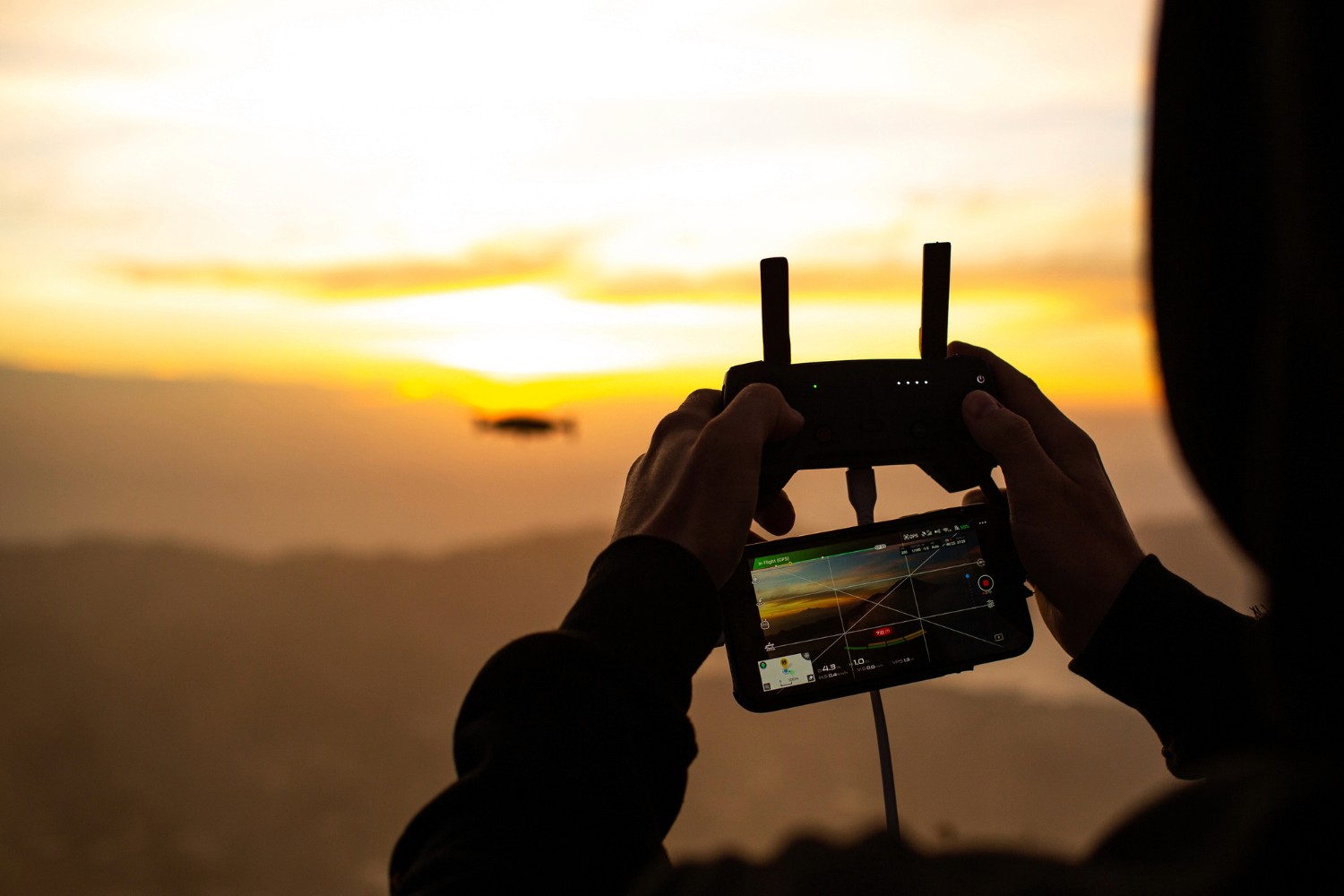
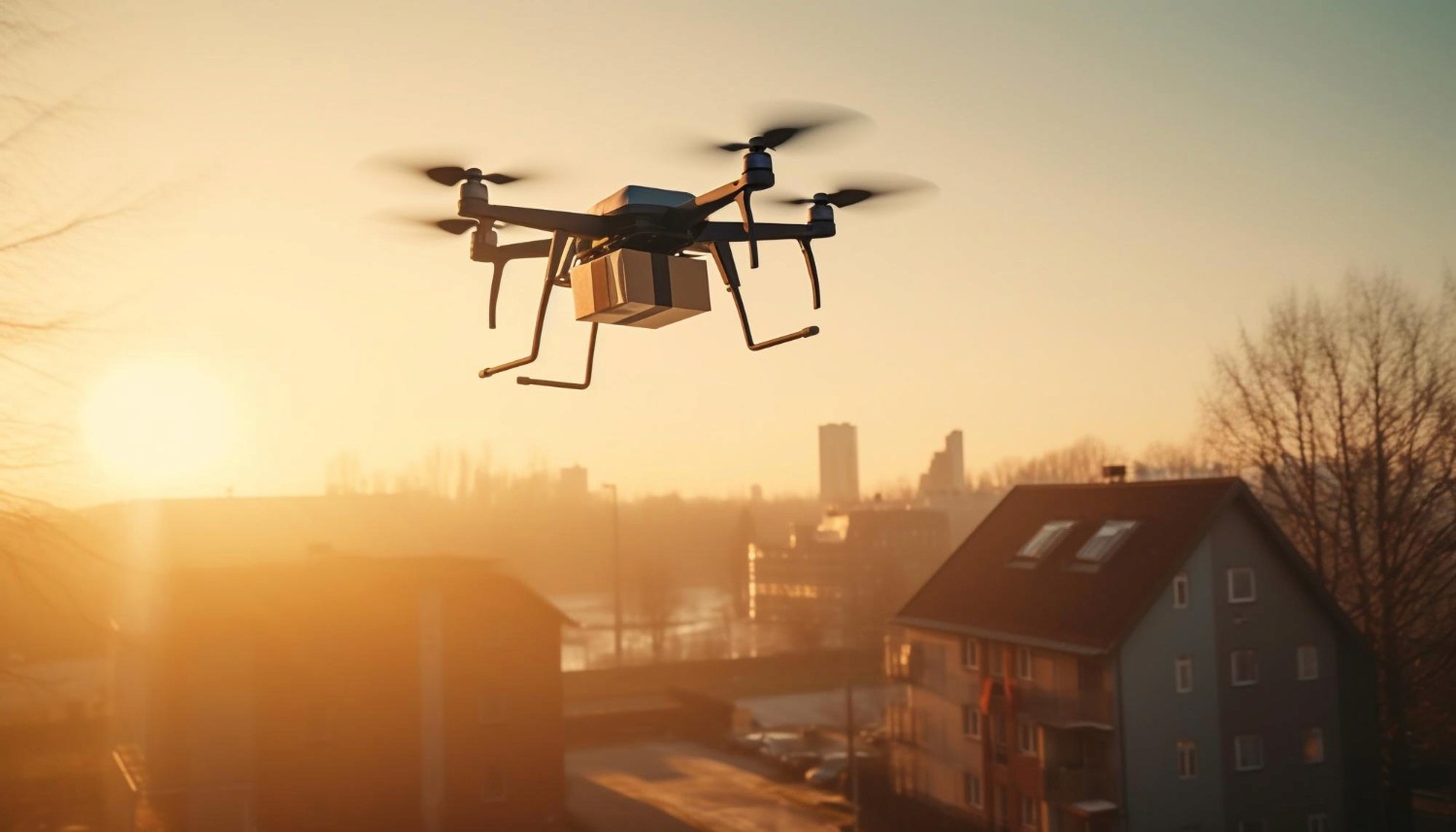
Drones have rapidly evolved from simple hobbyist devices into powerful tools reshaping industries across the world. What began as basic remote-controlled machines has now grown into a sophisticated ecosystem of intelligent systems capable of capturing cinematic footage, performing complex inspections, mapping vast landscapes, and supporting emergency operations. This transformation is driven by breakthroughs in engineering, AI, and automation that continually expand the boundaries of what drones can achieve. Today, drones stand at the center of a technological revolution where mobility, data, and precision merge into one seamless experience. Their impact is no longer limited to visuals — they influence workflows, boost efficiency, and unlock new creative possibilities. As drone technology keeps advancing, it becomes clear that these flying systems are not just tools but essential partners in modern digital ecosystems.
How Drone Technology Is Reshaping Industries Worldwide
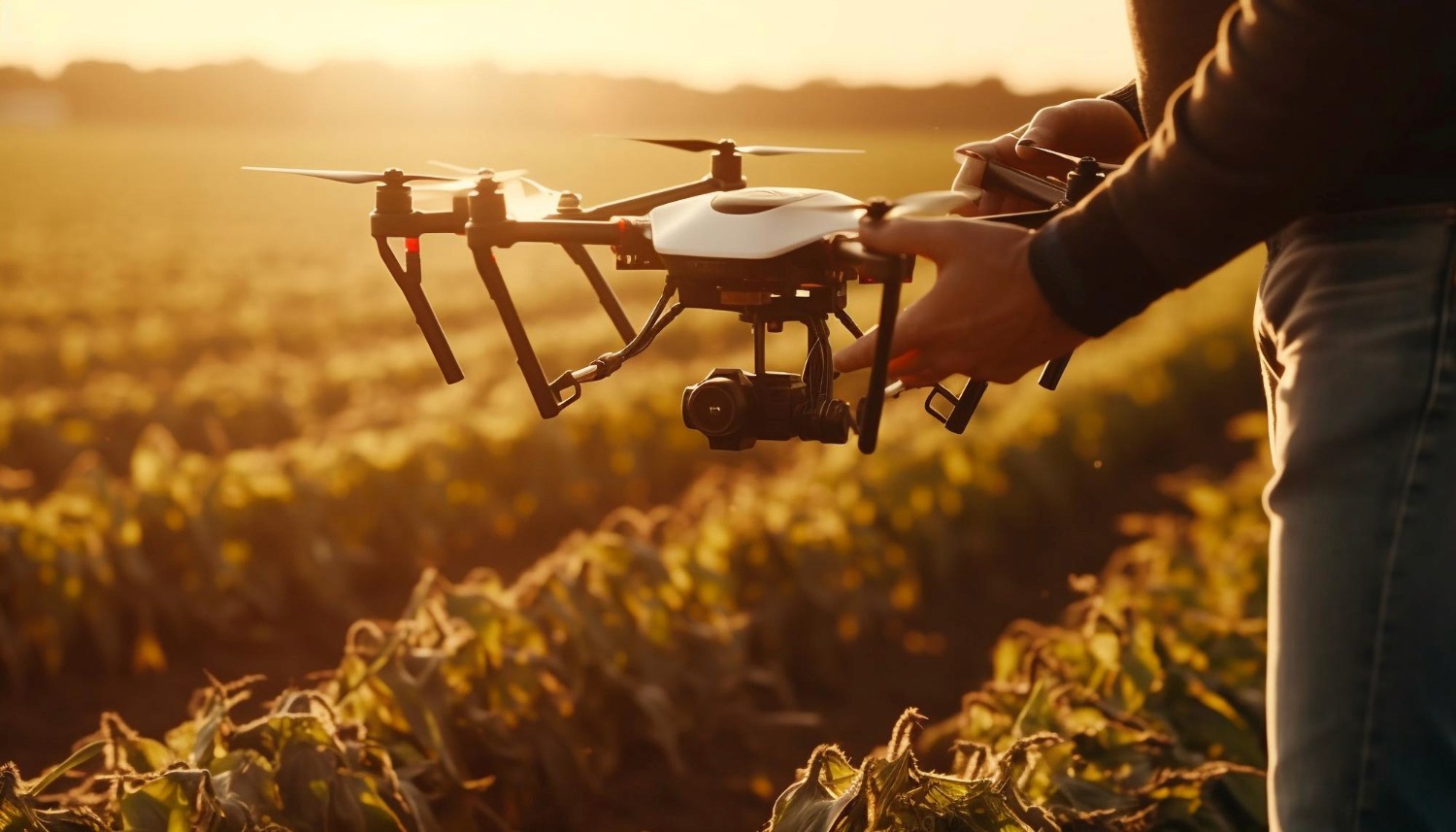
The rise of advanced drone innovation has opened the door to capabilities once considered impossible. High-resolution sensors, stabilized gimbals, and AI-powered navigation now enable drones to operate autonomously, analyze environments, and produce data far more accurate than traditional methods. Industries such as cinematography, agriculture, construction, real estate, and emergency services rely heavily on drone-generated insights to make faster decisions and operate more safely. The integration of LiDAR, thermal imaging, and multispectral sensors has pushed precision to new levels, allowing drones to detect structural weaknesses, measure land elevation, or monitor crop health with incredible accuracy.
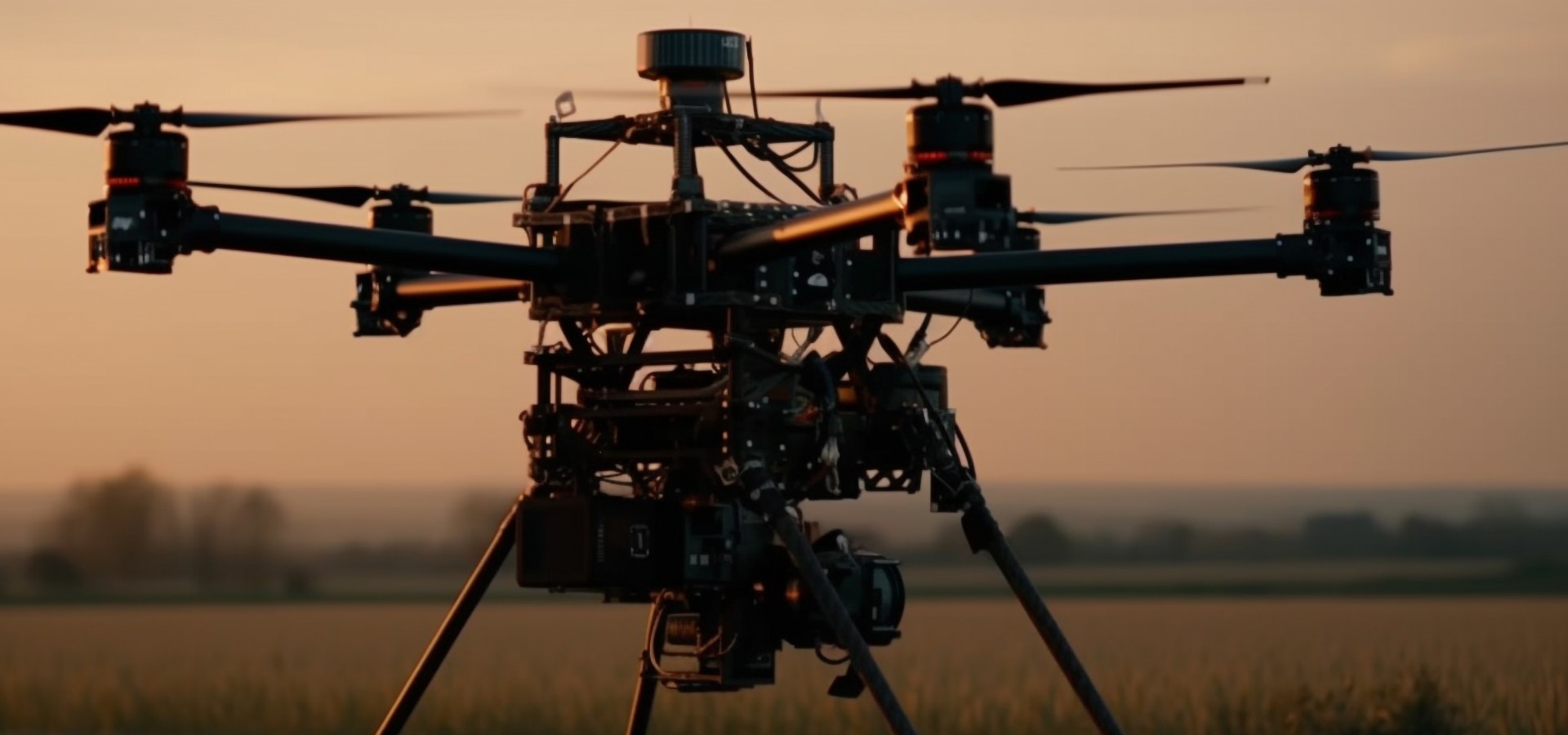
The shift toward automation is equally transformative. Many drones today can follow dynamic subjects, avoid obstacles in real time, and execute complex flight paths without manual control. These advancements reduce human error and open new opportunities for large-scale operations. As one expert perfectly summarized:
“Drones are no longer just devices, they are extensions of human capability, giving us eyes, reach, and precision far beyond natural limits.”
This evolution marks the beginning of a new era where drones become essential collaborators across fields that depend on fast, reliable, and intelligent data.
Key Innovations Driving the Drone Revolution
AI-Powered Autonomous Flights – real-time object tracking, obstacle avoidance, and auto-optimized routes.
Advanced Imaging Systems – 8K cameras, thermal sensors, multispectral and LiDAR technologies.
Long-Range Connectivity – enhanced signal transmission, 5G integration, and extended flight distances.
High-Efficiency Power Systems – improved battery density, faster charging, and hybrid energy solutions.
Data-Driven Analysis Tools – cloud-based processing, automated modeling, and high-precision mapping outputs.
The Evolution of Drones
The future of drone technology is defined by constant innovation, expanding capabilities, and a growing role in global industries. As sensors become sharper, AI grows more intelligent, and automation becomes more seamless, drones will take on even more complex responsibilities that were once exclusive to large teams or expensive equipment. This shift empowers businesses to work faster, safer, and more creatively, transforming the way we see and interact with the world. Drones are not simply tools for capturing visuals; they are intelligent systems that deliver insight, accuracy, and efficiency at an unprecedented scale. In the years ahead, the combination of aerial mobility and advanced data technology will continue to reshape industries — proving that the sky is not the limit, but the beginning.